AI for GreenTech can revolutionize the sector by optimizing energy usage, reducing waste, and improving overall efficiency.
AI for Greentech Solutions transforming the industry
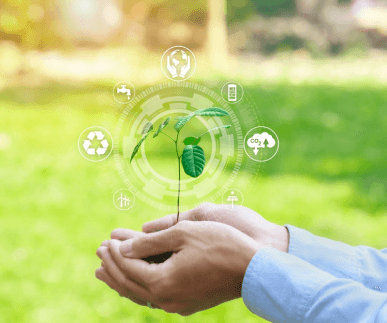
The Greentech industry is undergoing a transformative shift through the power of AI. By using advanced algorithms and data analytics, AI optimizes energy consumption and improves waste management processes. AI supports accurate demand forecasting, smart resource allocation, and efficient grid management through machine learning and predictive modeling. This results in lower environmental impact and significant cost savings. In addition, AI for Greentech solutions accelerates the development of renewable energy technologies. They also enable proactive environmental monitoring, supporting a path toward sustainable growth.
Capabilities and Benefits of AI and ML in GreenTech

Enhanced Supply Chain Management
AI and ML help optimize supply chain operations, lowering transportation and logistics costs while also reducing carbon emissions.

More Accurate Predictive Modeling
Advanced predictive modeling methods enable GreenTech companies to forecast energy demand, organize production schedules, and plan resource allocation effectively.

Improved Resource Management
By examining water and land usage data, AI algorithms can enhance the management of natural resources. This leads to cost savings and positive environmental outcomes.

Increased Energy Efficiency
AI and ML algorithms help optimize energy consumption patterns in GreenTech, enhancing operational efficiency and lowering cost

Increased Investment Opportunities
AI for Greentech creates new investment opportunities by improving the accuracy and reliability of financial models. They can attract investors and increase funding for sustainable projects.

Better Risk Management
AI techniques help GreenTech companies identify potential risks, such as shifts in weather patterns or natural disasters, and create effective contingency plans.

AI Health Tech Use Cases

Environmental Modeling
AI-powered smart energy management systems control energy usage in real-time according to demand and the
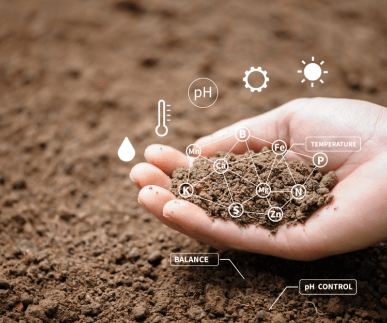
Precision Agriculture
The use of Al in precision agriculture has the potential to increase crop yields, reduce

Sustainable Transportation
Real-time traffic data analysis, congestion prediction, and route optimization for electric and low-emission vehicles
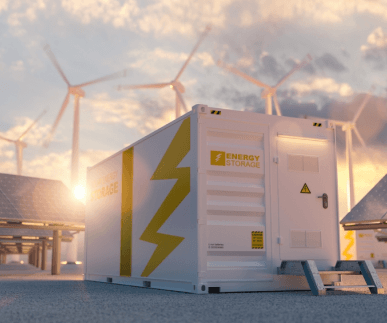
Smart Energy Management
AI-enhanced intelligent grid systems deliver energy efficiency solutions, eliminating the need for fossil fuel-powered backupt.
Pollution Monitoring
Spot high-risk regions of pollutants by Al and send timely alerts to the appropriate authorities.
Waste Management
Waste sorting and segregation can also be automated using AI-powered sensors and cameras. This enhances
Why Choose Jayzenai

12+ Years of Experience
With extensive experience in AI development and deployment, we have a proven track record of delivering successful solutions tailored to your business’s AI requirements.

Human-Focused
We focus on nurturing our employees’ growth and development, fostering a dedicated and motivated team committed to providing top-quality AI solutions for your business.

Team of 200+ Experts
With a team of over 150 professionals, we bring diverse expertise and skills to support your business’s AI needs, comprehensive solutions to your requirements.

International Footprint
Our international footprint with offices in the world wide allows us to offer AI solutions and support making us an excellent choice for businesses.

Blogs & Articles
- January 20, 2025
How to Detect AI Voices- An Ultimate Guide
As artificial intelligence is getting better with each passing day, it is supercharging audio deepfakes and causing robocall scams, financial frauds, voice cloning, and more. …
7 lucrative AI business ideas for entrepreneurs…
Artificial intelligence is shifting from novelty to necessity. In the…
Read More ➜
How Generative AI is impacting Shopify and…
Generative artificial intelligence or generative AI focuses continue to be…
Read More ➜
Top 5 Best AI Assistants for Your…
The recent advancements in the field of artificial intelligence have…
Read More ➜
Frequently Asked Questions
How Does Data Affect Machine Learning in Retail?
Artificial intelligence can reduce carbon emissions by optimizing energy usage, improving transportation efficiency, and enhancing renewable energy systems. It enables smart grid management, intelligent traffic control, and predictive maintenance, leading to more sustainable and environmentally friendly practices.
What role does AI play in dynamic price optimization?
AI can assist in adjusting supply and demand in the energy sector through several ways. AI algorithms can analyze historical and real-time data to forecast energy demand accurately, taking into account factors such as weather patterns, time of day, and economic indicators. This information helps utilities and energy companies optimize production and distribution, ensuring a balance between supply and demand. AI can also facilitate demand response programs by identifying peak demand periods and implementing strategies to incentivize consumers to reduce their energy consumption during those times.
How does artificial intelligence benefit the retail industry?
The key challenges of AI in the energy sector include data quality and availability, as AI models rely on accurate and extensive data for effective analysis. Integration and interoperability of AI systems with existing energy infrastructure and legacy systems can pose challenges. Security concerns related to protecting critical energy infrastructure from cyber threats are another significant challenge. Additionally, regulatory and ethical considerations, as well as the need for skilled AI talent, are important hurdles that need to be addressed for successful implementation of AI in the energy sector.
How can AI help retailers understand the consumer?
AI for green energy refers to the utilization of artificial intelligence (AI) technologies in the field of renewable and sustainable energy. AI is employed to optimize the generation, distribution, and consumption of green energy resources such as solar, wind, and hydro power. AI algorithms analyze data from sensors, weather forecasts, and energy grids to improve efficiency, predict energy demand, optimize power generation, and enhance energy management systems, ultimately supporting the transition to a more sustainable and clean energy future.
How artificial intelligence will affect the future of retailing?
Greentech, also known as green technology or environmental technology, refers to the application of technology and innovation to address environmental challenges and promote sustainability. It encompasses various fields such as renewable energy, clean transportation, waste management, water conservation, and eco-friendly materials, aiming to minimize environmental impact and mitigate climate change.