AI has sparked a transformative shift in EdTech services, redefining the learning experience. Assessments are automated, saving time and providing immediate feedback.
How is AI transforming digital education solutions?
Artificial intelligence is revolutionizing EdTech solutions by creating personalized learning experiences and enhancing educational outcomes. Through big data analytics, educators can examine extensive data to pinpoint students’ strengths and weaknesses. Machine learning enables tailored learning paths and delivers focused interventions.
Additionally, AI-powered EdTech tools can automate administrative tasks such as grading and feedback, allowing teachers to focus more on instruction. Furthermore, ChatGPT integration provides 24/7 support to students, helping them overcome challenges and boost performance. Overall, AI is transforming EdTech services, enhancing accessibility and educational effectiveness.
Key Advantages and Functionalities of AI and ML in Edtech

Improved marketing and customer acquisition
EdTech companies can analyze user data to discover valuable trends and preferences. This insight allows them to design customized marketing strategies that connect with their target audience.

Enhanced student learning
AI and ML evaluate student data to detect patterns and knowledge gaps. This insight is used to personalize learning experiences. As a result, it leads to better learning outcomes and greater customer satisfaction.

Increased efficiency
AI solutions for EdTech simplify administrative tasks, such as grading and delivering feedback, resulting in major time and cost savings. This automation enables EdTech companies to grow their operations without hiring additional staff.

Competitive advantage
EdTech software development helps businesses achieve a competitive advantage by utilizing AI and ML. This results in increased revenue and a greater market share as they deliver innovative solutions that produce superior educational outcomes.

Improved product development
AI services for EdTech examine data for informed product development. Improvement helps Edtech companies create products that better meet the needs of their customers.

Improved student retention
With AI and ML, EdTech platforms can tailor learning experiences for individual students. Personalization can enhance their engagement and decrease the chances of dropping out. This improved retention increases revenue for EdTech companies.

AI FinTech Use Cases

Intelligent Content Creation
Students who have hearing difficulties or prefer reading instead of listening to lectures can more easily access learning material through customized AI transcription and text-to-speech technology.

Intelligent Writing Assistants
These tools apply natural language processing (NLP) and machine learning algorithms to evaluate the text and deliver real-time feedback and suggestions to users.

Predictive Analytics
AI tools enable teachers to analyze student data, including grades, attendance, and behavior, to identify patterns and trends that may indicate a student is struggling and needs additional support.

Intelligent Content Creation
Students who may have hearing issues or prefer to read rather than listen to lectures may find it easier to access instructional content with customized Al transcription and text-to-speech technology.

Intelligent Writing Assistants
These tools utilize natural language processing (NLP) and machine learning algorithms to examine the text and deliver real-time feedback and suggestions to users.
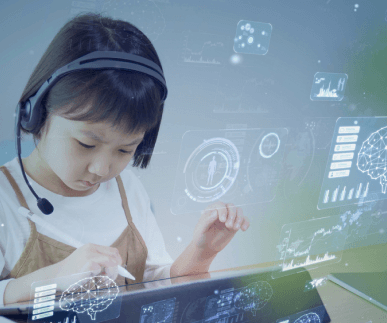
Intelligent Tutoring Systems
Using machine learning algorithms, ITS delivers personalized EdTech solutions that address each student's specific needs, interests, and abilities.
Why Choose Jayzenai

12+ Years of Experience
With extensive experience in AI development and deployment, we have a proven track record of delivering successful solutions tailored to your business’s AI requirements.

Human-Focused
We focus on nurturing our employees’ growth and development, fostering a dedicated and motivated team committed to providing top-quality AI solutions for your business.

Team of 200+ Experts
With a team of over 150 professionals, we bring diverse expertise and skills to support your business’s AI needs, comprehensive solutions to your requirements.

International Footprint
Our international footprint with offices in the world wide allows us to offer AI solutions and support making us an excellent choice for businesses.
Blogs & Articles
- January 20, 2025
How to Detect AI Voices- An Ultimate Guide
As artificial intelligence is getting better with each passing day, it is supercharging audio deepfakes and causing robocall scams, financial frauds, voice cloning, and more. …
7 lucrative AI business ideas for entrepreneurs…
Artificial intelligence is shifting from novelty to necessity. In the…
Read More ➜
How Generative AI is impacting Shopify and…
Generative artificial intelligence or generative AI focuses continue to be…
Read More ➜
Top 5 Best AI Assistants for Your…
The recent advancements in the field of artificial intelligence have…
Read More ➜
Frequently Asked Questions
How to integrate AI ML in education?
Integrating AI and ML in education involves a systematic approach. Here are steps to consider:
- Assess Needs: Identify specific areas where AI and ML can address educational challenges or enhance learning outcomes.
- Gather Data: Collect relevant and diverse data, including student performance, instructional resources, and learning patterns, to train AI models effectively.
- Develop AI Solutions: Collaborate with experts to design and develop AI-powered tools, such as adaptive learning platforms, intelligent tutoring systems, or automated grading systems, tailored to the identified needs.
- Test and Refine: Pilot the AI solutions in real educational settings, collect feedback from teachers and students, and refine the systems based on their experiences and suggestions.
- Train and Support Educators: Provide training and support to teachers and administrators on how to effectively use AI tools in their classrooms, emphasizing the benefits and addressing any concerns.
What role does AI play in education?
AI plays a significant role in education by enhancing various aspects of the learning process. It enables personalized learning experiences by adapting educational content and strategies to individual students’ needs and abilities. AI-powered intelligent tutoring systems provide personalized feedback and guidance to students. Natural Language Processing allows for automated grading and feedback on written assignments. AI algorithms analyze large datasets to identify patterns, predict student performance, and provide insights for instructional improvement.
How is AI/ML used in Edtech?
AI and ML are used in EdTech to enhance various aspects of education. Adaptive learning platforms utilize AI algorithms to personalize educational content based on student’s individual needs, strengths, and weaknesses. Natural Language Processing enables intelligent tutoring systems that can provide personalized feedback and guidance to students. AI-powered chatbots and virtual assistants assist with student queries and support. ML algorithms analyze large datasets to identify trends, predict student performance, and provide insights for instructional improvement. AI also aids in automating administrative tasks, grading, and data analysis, freeing up teachers’ time for personalized instruction.
What is edtech?
EdTech, short for Educational Technology, refers to the use of technology to enhance teaching, learning, and educational processes. It encompasses various digital tools, platforms, and resources designed to support educational activities.
Implementing AI in education comes with several challenges. One major challenge is the lack of quality data required for training AI models, as educational data is often diverse and complex. Privacy concerns also arise when dealing with student data and ensuring data security. Another challenge is the need for skilled professionals who can develop and maintain AI systems in educational institutions. Ethical considerations, such as bias in algorithms and the potential for replacing human teachers, must also be addressed. Additionally, there may be resistance to change and a need for proper training and support for teachers and students to effectively utilize AI technology in education.